Mar 21, 2024 | Displaced people, Environmental protection
A new Global Commission on Modern Slavery & Human Trafficking has been set up [1] with the aim of driving international momentum towards eradicating forced labour, ending modern slavery and human trafficking – in line with UN goals. It is part funded by the UK...
Mar 4, 2024 | Uncategorised
A couple of new consultations are out which will have implications for managing environmental issues in Scotland. The first is about biodiversity. The second is, perhaps surprisingly to some, about water efficiency ‘Tackling the nature emergency’ [1] is based around...
Feb 20, 2024 | Uncategorised
There is currently no sensible financial arrangement for funding the transformation of social homes to net zero. And no-one seems to be talking about long-term plans either. After chats with a few FD’s, investors, and the Green Finance Institute, we thought it might...
Feb 19, 2024 | Uncategorised
In readiness for 2025, the Government has issued its response to a consultation on the detail of the Future Homes Standard (FHS). Others [1] [2] , who have been closer to the consultation process, have noted that the proposed standards are far weaker than initial...
Feb 13, 2024 | Uncategorised
Amidst a growing importance in Biodiversity Net Gain (BNG) for new developments, the lack of practical metrics for UK social landlords to manage biodiversity and green spaces for existing land portfolios has become apparent. This gap presents an opportunity to explore...
Jan 22, 2024 | Uncategorised
Each year we upgrade our methodologies for environmental reporting. The main reason we do this is to ensure that our methodologies align with new national methodologies or UK environmental strategies. For example, last year new water efficiency targets were...
Dec 20, 2023 | Uncategorised
Estimating CO2 emissions from purchased goods and services is notoriously difficult, especially for larger companies where there can be hundreds of thousands of purchases a year. The task is made doubly difficult when the description box of the same purchased...
Dec 20, 2023 | Uncategorised
It’s great to see that prospective students are thinking about environmental degrees. A client asked for some advice on behalf of his son who is passionate about zoology but doesn’t see many career options. We shared our thoughts: Great that your son is...
Dec 8, 2023 | Uncategorised
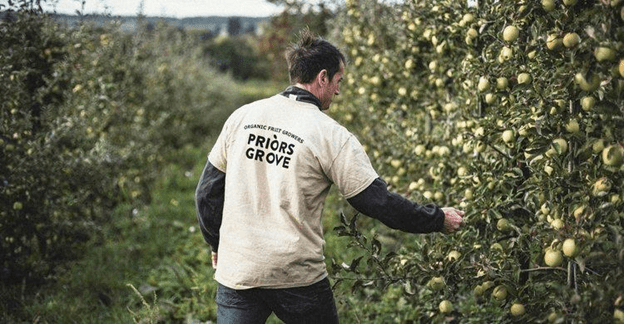
Why is there a picture of apples on a blog about energy saving? We spoke to energy monitoring software providers GridDuck to find out. Here’s what they say: With fuel shortages, unprecedented price hikes and the bankruptcy of large industry names, energy...
Nov 7, 2023 | Uncategorised
‘Science-based targets (SBTs) specify how much and how quickly a company would need to reduce its’ greenhouse gas (GHG) emissions in order to align with the goals of the Paris Agreement.’ [1]. This is an initiative set by the partnership between: World Resource...
Oct 17, 2023 | Uncategorised
The current state of the environment is in a bad way currently, with biodiversity being shown to have significantly decreased over the last 50 years. ‘As a result, the UK is now one of the most nature-depleted countries on Earth’ according to the ‘State of Nature’...
Oct 5, 2023 | Uncategorised
The new ‘Energy Bill’, previously, the Energy Security Bill, looks at reforming the 10-year-old Energy Act (2013). This is to get the legislation up to speed with not only current technology, but the needs of consumers and businesses alike. The bill has reached...
Sep 28, 2023 | Uncategorised
Right now, air travel contributes to global CO2 emissions and even more flights are projected. One way to cut emissions would be to get people to fly less. But sometimes this is a hard ask for businesses that consider flying essential and, families wanting holidays...
Jun 21, 2023 | Wellbeing
It was great to see so many people and from such a variety of backgrounds at the event to celebrate the launch of the book “Happiness by numbers”. Part of this variety would surely be because everyone wants to be happy, don’t they? On top of that, in the commercial...
Jun 13, 2023 | Uncategorised
As well environmental reporting for social landlords we also work in other sectors. Here’s an example where one of our Stroud-based office colleagues, Caroline, wanted advice on transforming her house to an ecohome. This was very much a pilot to see if we could...
May 31, 2023 | Uncategorised
At a recent National Housing Federation (NHF) event we met with fellow “sector supplier” Dynamis. As we know that NHF do a rigorous check on who they classify as a sector supplier we were very pleased to meet them. We found that they are a solar PV installer firm...
Apr 20, 2023 | Wellbeing
UK Government’s Levelling Up agenda aims to give ‘everyone the opportunity to flourish’. This “people” focussed aim seems to align with other emerging trends: examples include “placemaking” [1], social value, wellbeing and the “S” part of ESG. Whilst this is a...
Dec 19, 2022 | Uncategorised
The National Federation of ALMOs (NFA) have recently published a report for the NFA Best Practice Series [1] addressing lessons from the ALMO sector regarding decarbonising social housing. This blog outlines areas where ALMOs differ from housing associations, but it...
Dec 7, 2022 | Uncategorised
It is becoming increasingly important to ensure homes are resilient to the impacts of climate change. Around 20% of UK homes already overheat, even outside of heatwave events, while 1 in 6 homes are at risk of some form of flooding, and the risks of both flooding and...
Oct 25, 2022 | Uncategorised
Here at SHIFT, we’re pretty keen on sustainability in the built environment, which is why we decided to head over to Hanham Hall, on the outskirts of Bristol, for our September social outing. Hanham Hall was lauded as the first large-scale housing scheme intended to...
Oct 12, 2022 | Government Strategy, Wellbeing
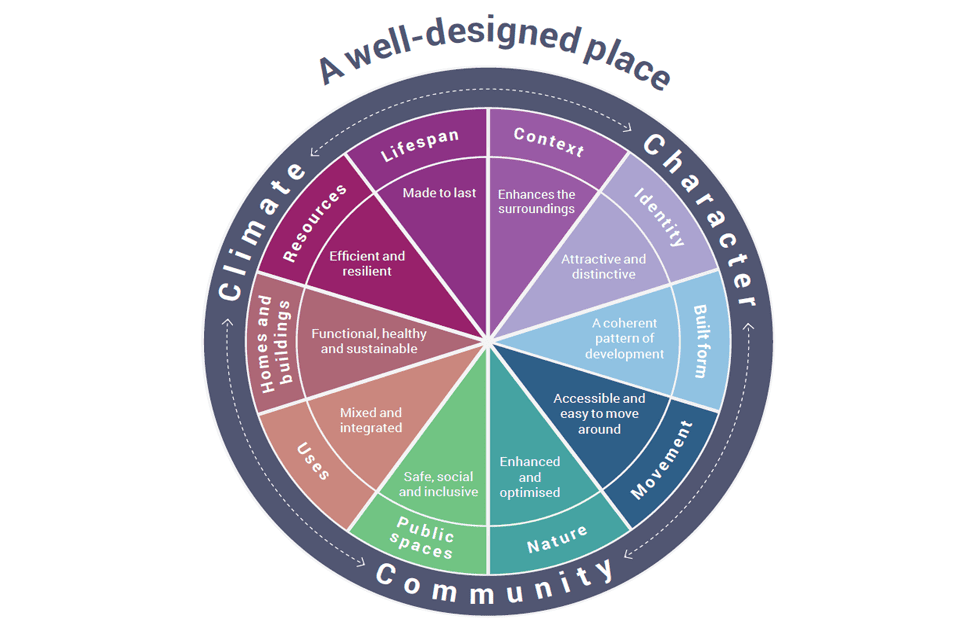
With the Placemaking, Levelling Up and Social Value agendas gaining more traction, SHIFT highlights the role that social landlords can play in contributing to these agendas and provides an insight into SHIFT’s Placemaking metrics. The Department for Levelling Up,...
Sep 28, 2022 | Uncategorised
A green electricity tariff can be labelled ‘green’ if some or all units of electricity purchased are ‘matched’ by units of energy generated from a renewable energy source. It can be difficult to separate a reliable green tariff from a greenwashing tariff as...
Jul 20, 2022 | Uncategorised
Establishing a meaningful metric for biodiversity has long been an elusive task. Perhaps a new approach could provide such a metric for strategic decision making. The Taskforce on Nature-related Financial Disclosures (TNFD) has released a second draft version of its...
Jul 20, 2022 | Uncategorised
The UK’s Green Finance Strategy, published in July 2019, had three objectives: helping the financial sector align with net-zero; mobilising private investment that supports sustainable growth; and ensuring businesses can benefit from the transition to net-zero. The...
Jul 20, 2022 | Uncategorised
Of the UK’s total energy consumption 24% is attributable to the domestic sector [1] and of this embodied carbon could account for 6-10%. Despite this embodied carbon is not, in general practice, a consideration when a building is designed, specified and constructed....
Mar 22, 2022 | Biodiversity
Assessing the biodiversity of a site can be a challenging prospect for developers and decision makers without the relevant ecological background. Whilst they are not substitutes for expert ecological advice, Biodiversity 3.0 and similar tools provide a biodiversity...
Feb 21, 2022 | Roundtable, Strategy
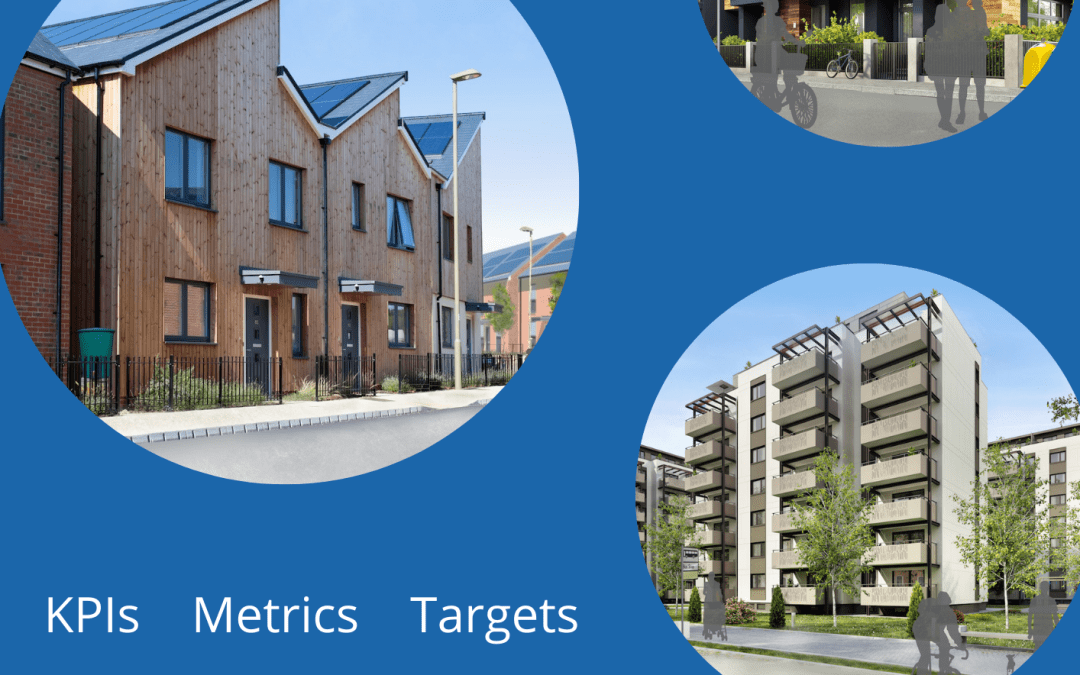
In response to SHIFT client requests, this roundtable took place on 13th January 2022. UK housing associations representing around 80,000 homes took part. The key points for discussion were: KPI’s for environmental performance Developing long-term and interim targets...
Feb 16, 2022 | Climate Change, ESG, Heating, New Build, Retrofit, Supply Chain
We’ve had excellent feedback from our webinars which are helping our SHIFT clients make environmental improvements. They are also great for connecting with peers. We will be running more sessions over the coming months to help social landlords make even more...
Feb 15, 2022 | Climate Change
How can tenants, social housing providers, and others work together to tackle climate change in our homes and neighbourhoods? With the challenge of tackling climate change in our homes and neighbourhoods, the Northern Housing Consortium (NHC) commissioned a Social...
Feb 15, 2022 | Heating
The release of the UK’s first Hydrogen Strategy details the key steps the UK is taking to deliver the ‘promise’ hydrogen makes for decarbonisation. The UK is aiming to drive progress throughout the 2020s to deliver a 5GW hydrogen production ambition by 2030,...
Feb 10, 2022 | Uncategorised
A whole range of social landlords, investors and other stakeholders love our environmental reporting. They use the data to build meaningful strategies, produce ESG reports, various compliance reports and monitor progress towards a sustainable housing stock and...
Feb 9, 2022 | Climate Change, New Build
At last, building regulations have been updated with the intention of reducing overheating in residential buildings [1]. There is now a different approach to the previous methodology which used historic summer temperatures instead of projected summer temperatures and...
Feb 7, 2022 | Climate Change, Environmental protection
Flood events are horrible experiences for everyone affected. The disruption during the flood event and the long clean-up after the event are stressful periods. Whilst planning rules generally reduce risks for new homes, there remains the issue of what to do about...
Jan 26, 2022 | Climate Change
Our friends at Greenacre Group have highlighted the connections between leadership skills and the sustainability agenda. Here’s what they wrote. As social housing providers get to grips with climate change and endeavour to drive forward sustainable solutions to the...
Dec 15, 2021 | Uncategorised, Wellbeing
Background We have launched the SHIFT “social” section which is FREE to all UK social landlords. The aim of this blog is to a) explain the extent of our involvement on the “S” part of ESG reporting and b) to suggest new, meaningful placemaking metrics. SHIFT delivers...
Nov 22, 2021 | New Build
Many social landlords and other building owners are carrying out or planning energy efficiency improvement work to their housing and building stock. It’s one thing to make the improvements, but it’s another to ensure that they actually reduce environmental impacts....
Nov 17, 2021 | Carbon
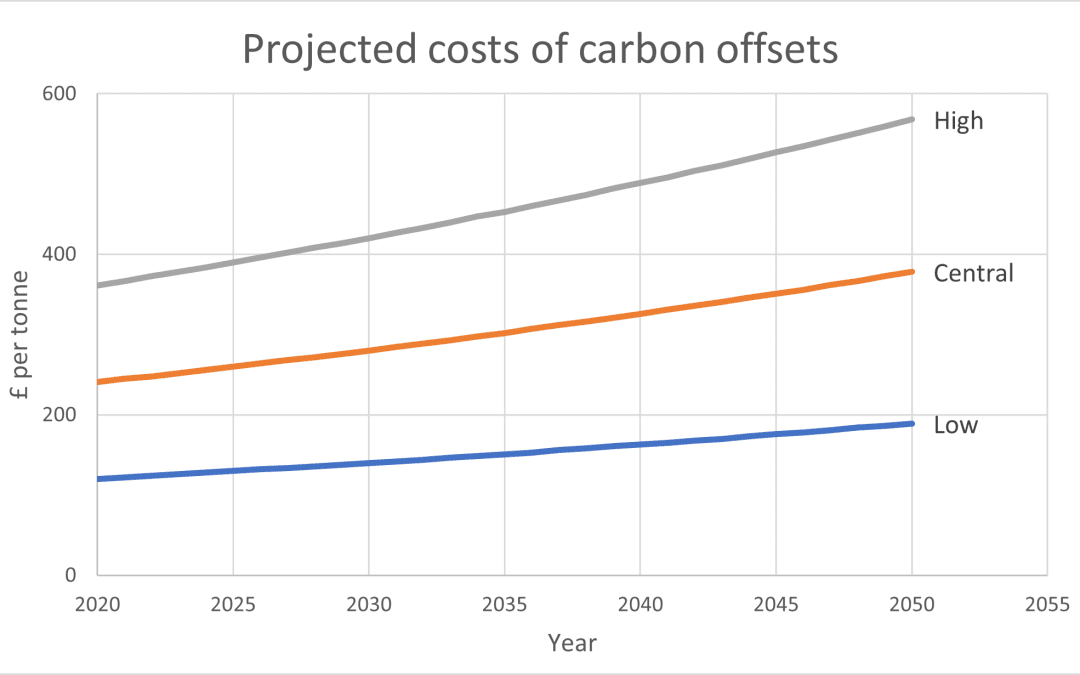
Over the past year, we’ve had some SHIFT landlords asking about internal carbon pricing and how it can be used to help decarbonise social housing. We’ve done the research for you and summarised below. What is carbon pricing? Carbon pricing can be used to recognise...
Nov 15, 2021 | Supply Chain, Uncategorised
Recently a client asked us about scope 3 carbon emissions from investments in pension schemes and whether this is something that is discussed amongst the social housing sector. Carbon emissions can be associated with the investment of pension schemes, so how...
Nov 2, 2021 | Uncategorised
At SHIFT, we are committed to keeping the SHIFT environmental standard up-to-date. This means considering continual improvements in line with national policy updates and feedback we receive from SHIFT landlords. Annual feedback is vital to ensure we are capturing the...
Oct 25, 2021 | Carbon, Government Strategy, Heating, Retrofit
Many organisations have already commented on the “Heat and Buildings Strategy” released last week [1, 2]. Rather than repeat criticisms or otherwise for the strategy, we take a look at two key points which should aid people working in the built environment. EPC’s are...
Oct 25, 2021 | Government Strategy, Wellbeing
One of the key insights we took away from National Housing Federation’s Housing Summit last week, was the prediction that the “levelling up” agenda would manifest itself as a “placemaking” agenda. Commentators thought that political and financial resources would flow...
Sep 27, 2021 | Climate Change, ESG
The IPCC’s [1] latest report made the headlines a few weeks ago. The report confirmed that climate change is real, it presents adverse effects to us all and it is caused by human activity. For environmental professionals this is hardly news, but it is good to see...
Sep 22, 2021 | Uncategorised
At SHIFT we are seeing an increasing adoption of net zero carbon strategy development across several sectors. Recently, we’ve seen Health and Social Care organisations develop their plans to get to net zero. Alternative Futures Group (AFG), a health and social care...
Aug 19, 2021 | Government Strategy
With environmental and sustainability requirements becoming more prevalent across a variety of sectors, UK Government has established a new independent expert group to advise on standards for green investment. The Green Technical Advisory Group (GTAG), made up from a...
Aug 16, 2021 | Environmental protection
The sugar and salt taxes in the recently announced national food strategy made the headlines [1]. However, the original brief for the author was to review the entire food system. Many of the resultant recommendations relate to environmental protection. The bulk of...
Aug 4, 2021 | ESG
The “Wellbeing of Future Generations Bill” has completed the first stage of a 12 stage journey to becoming UK law [1]. Inspired by a similar law in Wales, the proposed bill, will require public bodies to improve “the economic, social, environmental and cultural...
Jul 23, 2021 | Uncategorised
Our friends at Safecility told us about some of their remote testing innovations that can help reduce carbon emissions. Here’s what they say: While the current spotlight is on long term deep property retrofits to enhance homes and make them easier to heat – there are...
Jul 23, 2021 | Heating
Hydrogen is regularly discussed as a form of low carbon heating. Theoretically, hydrogen can be transported using existing gas infrastructure. For this reason, hydrogen has been viewed as a good low-carbon alternative. There are several ways of producing hydrogen gas,...
Jul 22, 2021 | Government Strategy
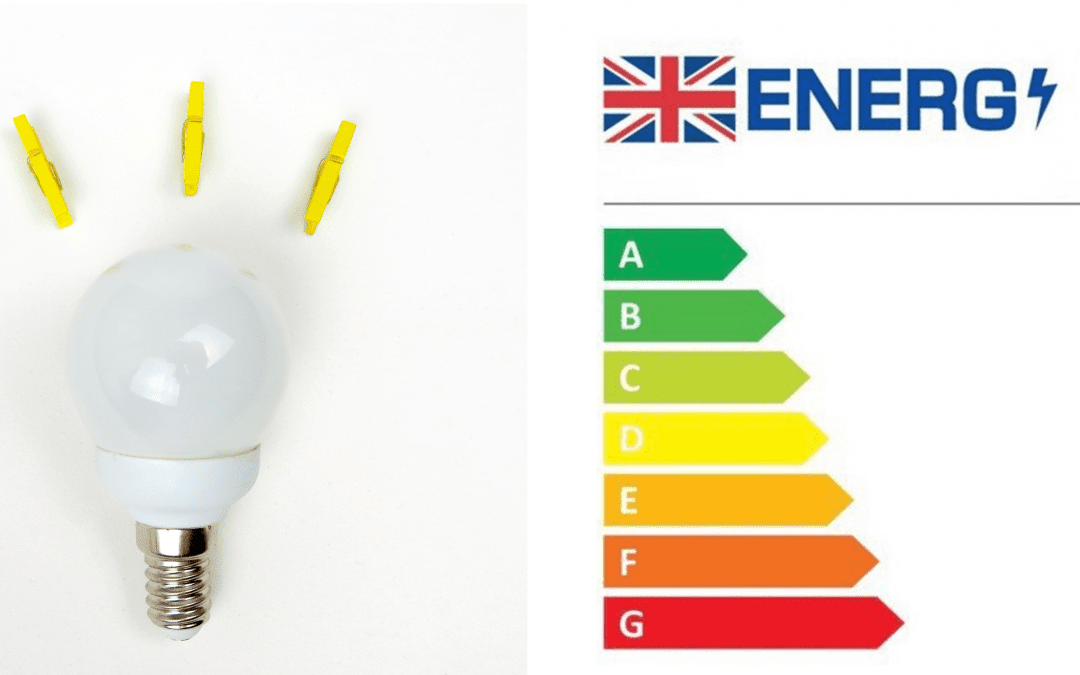
The UK Government has recently announced plans to end the sale of halogen lightbulbs from September 2021, to cut carbon emissions and facilitate the journey to net-zero carbon[1], with fluorescent lightbulbs likely to follow suit from September 2023. In addition to...
Jul 22, 2021 | Government Strategy
The recently released Procurement Policy Note (PPN)[1] presents how the UK Government will take account of suppliers Net Zero Carbon Reduction Plans in the procurement of major contracts. The PPN applies to all Central Government Departments, agencies and public...
Jul 6, 2021 | Government Strategy
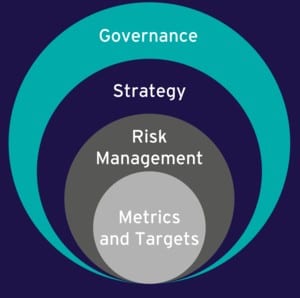
UK Government recently requested feedback via a consultation on the regulation of climate-related financial disclosures by public quoted companies, large private companies, and Limited Liability Partnerships (LLPs). Climate change poses one of the greatest threats to...
Jun 16, 2021 | Retrofit
Heat networks are systems in which heating, cooling or hot water is generated at a central source and supplied by the operator to multiple third party consumers. Heat networks serve either multiple buildings (district heating) or multiple occupants in a single...
Jun 9, 2021 | ESG
It seems that the Minister for Pensions and Financial Inclusion is not too impressed by the way “Social Factors” in ESG investments are being handled by investors. In a recent consultation, he states: “I am concerned that social factors are not well understood. “Many...
Jun 8, 2021 | Uncategorised
While there has been a focus on reducing energy demand for heating, with global temperatures set to increase, there has been little consideration for future for cooling systems demand. There is no doubt that in recent years, the UK has experienced record breaking dry...
May 21, 2021 | Biodiversity
The loss in global biodiversity and protection of green spaces has been rising up the agenda for building owners, particularly from Environmental Social Governance (ESG) reporting. ESG reporting involves demonstrating environmental credibility to banks and loan...
Apr 30, 2021 | Government Strategy
The National Infrastructure Strategy (NIS) incorporates aspects of The Ten Point Plan for a Green Industrial Revolution. Both of these plans show a direction or travel towards greening the economy and decarbonisation but lack clear timeframes, objectives and key...
Apr 14, 2021 | Uncategorised
A client paid us a very nice compliment about our Energy White Paper response[1]. They also asked whether they should sign up to a tree planting scheme. We’ve been asked about this topic a few times, so we checked the scheme and shared our thoughts. Tree planting...
Apr 6, 2021 | Uncategorised
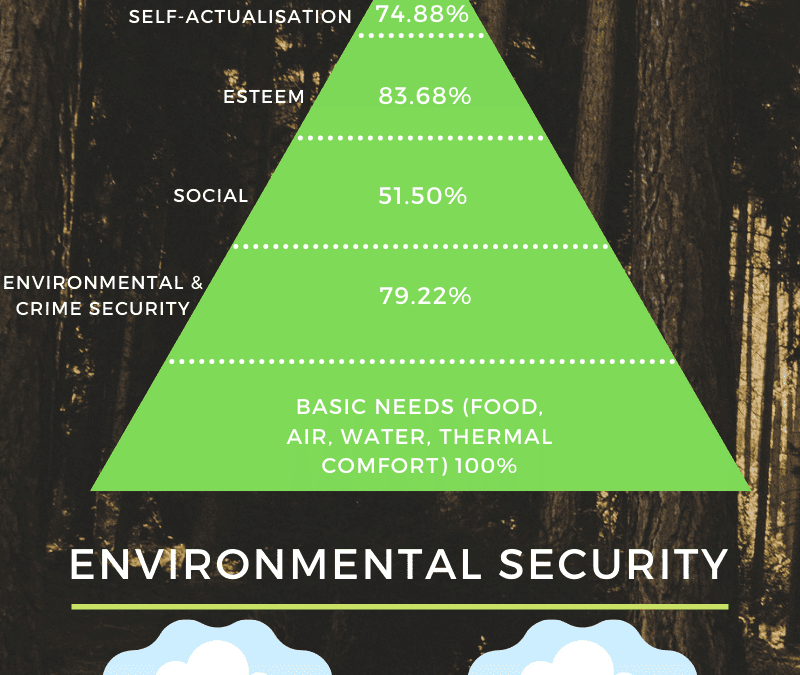
Following the International Day of Happiness (20th March 2021) we have compiled a number of statistics to see how close we are to reaching a goal of 100% long-term wellbeing. Since March 2020, there is no surprise that we have faced unprecedented challenges, and our...
Mar 30, 2021 | New Build
The Committee on Climate Change (CCC) published an “over and above” cost for energy efficient new build of £4,800 [1]. However, many building professionals we speak to cannot replicate this figure when they are planning an EPC A new build. We took a closer look at...
Mar 30, 2021 | Retrofit
Coastal Housing, a Swansea based social landlord asked SHIFT Environment to develop an optimised retrofit strategy that would meet the Welsh Government target of Net Zero Carbon Housing. By interrogating Coastal Housing’s property data, the project also offered an...
Mar 24, 2021 | New Build, Uncategorised
Following on from our blog on the New Homes Ombudsman, Paul Surin [1], IBM’s Global Lead on the Built Environment and BIM, shared his experience of very poor quality new build. He thought he was moving into a highly energy efficient performing home, but after moving...
Mar 19, 2021 | Uncategorised
As the provision of new homes across the UK continues to grow (MHCLG, 2020), it is essential that these homes meet adequate standards and building quality does not suffer. The announcement of a New Homes Ombudsman, by Housing Secretary Robert Jenrick MP, will assist...
Mar 3, 2021 | Carbon
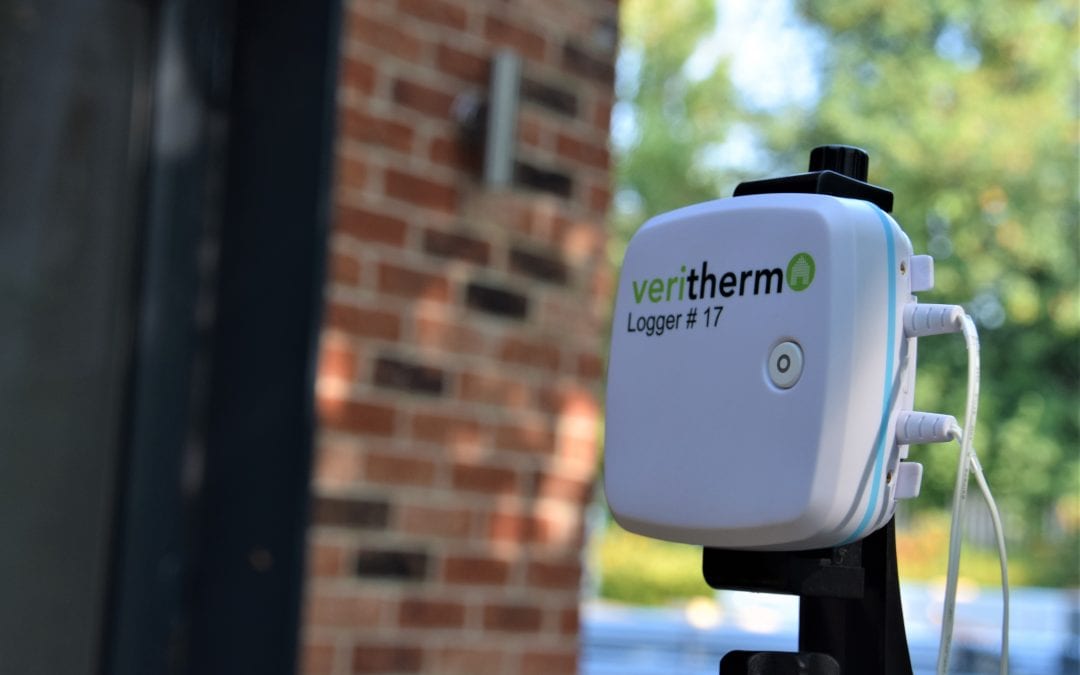
Our friends at Veritherm have looked at the Future Homes standard to see what it holds in store for the “as built” energy performance. Here’s what they say: Current Performance Outlook The UK’s is committed to achieving net zero carbon emissions by...
Mar 3, 2021 | Carbon
Our friends at Switchee have written a fine piece on how technology can help with CO2 reductions. Commercial Director at Swicthee, Alastair Thorpe [1], shares his thoughts: Sustainability has been a growing concern for many housing providers over the last few years....